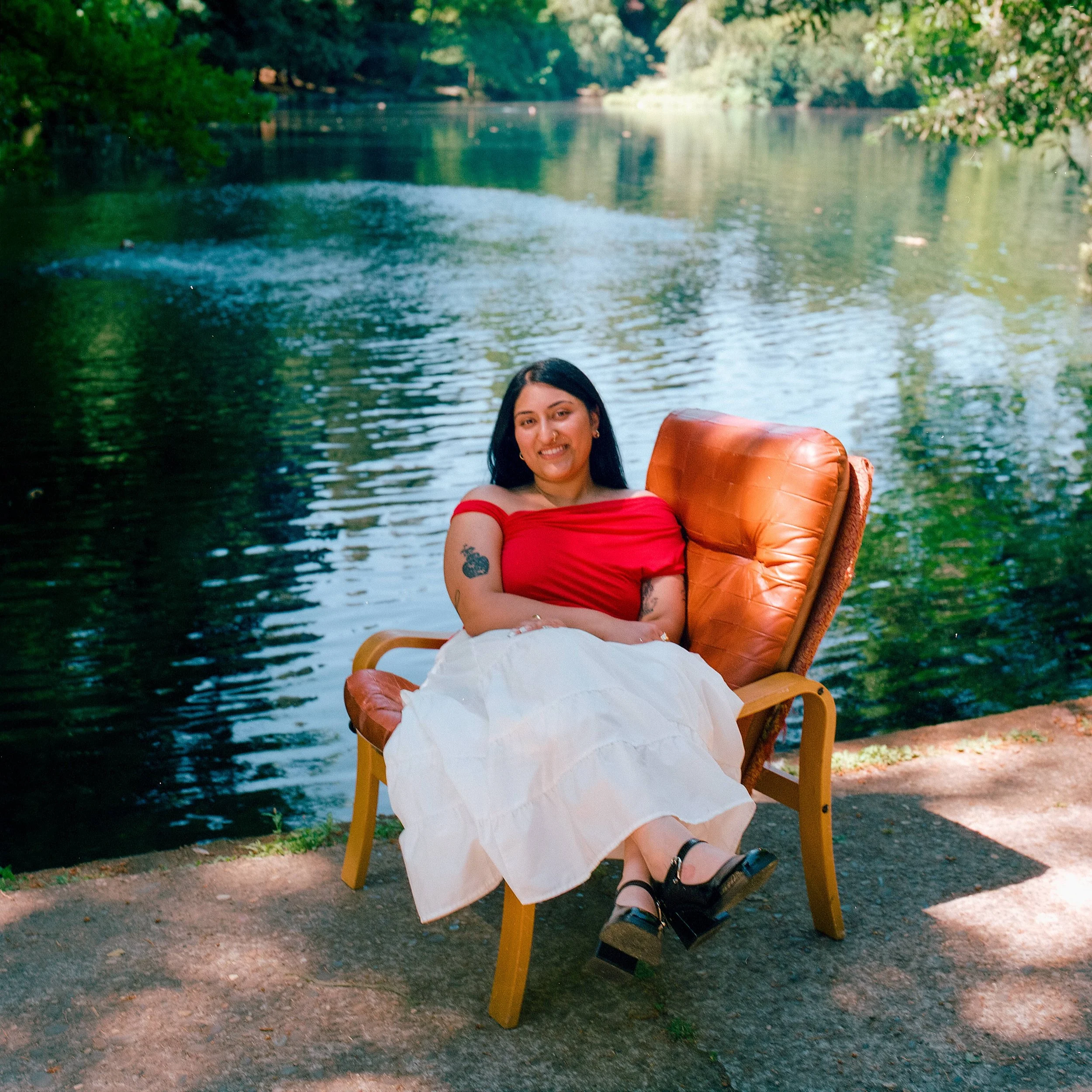
I am a 2nd generation South Asian daughter of immigrants who entered this field to help and work with other people of color. My identity 100% impacts how I show up with you in our space- because I want it to be authentic and real.
I understand that our experiences can be shaped by cultural expectations, family dynamics, and the messages we've received about who we're supposed to be. I bring this awareness into our work while recognizing that everyone's story is unique and that you are in control of your narrative.
My approach to therapy is collaborative, authentic, and direct. I see myself as a guide in your healing process, offering support, thoughtful questions, and honest reflection along the way. I value accountability, not as a form of judgment, but as an opportunity to better understand ourselves and make meaningful changes.
I primarily work with individuals (teens and adults) seeking support with ADHD, life changes (weddings, moves, school transitions), cultural or intergenerational experiences, relationship challenges, anxiety, depression, eating disorders, disordered eating, body image issues, and general support.
Hi, I’m Raveena.
Education/Credentials:
Masters in Professional Mental Health Counseling, Lewis & Clark College, 2024.
Certification in the Treatment of Eating Disorders, Lewis & Clark College, 2025.
My Approach
In my work my saying is that the client knows their story best. These are some modalities I use to help guide our time together.
ACT
Acceptance and Commitment Therapy allows us to be present and get comfortable with uncomfortable feelings/emotions.
Somatic based
Somatic work, helps us tap into our bodies and I like to utilize grounding exercises in session to help create awareness within your body. This can be great for trauma work.
EFT
Emotion-focused therapy centers on using our emotions to guide us and support our overall well-being.
PCT
Person centered therapy allows you space to find your own answers through a nonjudgemental and supportive lens.
Tarot
Tarot in therapy can be a helpful tool if you are a needing some guidance through interpretation (and sometimes it’s just fun!). This is used only when the client expresses interest.
Expressive Arts
Art can help us process and get our thoughts, feelings and buried emotions onto paper or through crafts. Examples are reflective writing, poetry for grief, drawing, coloring and so on.
*side note: i use these as tools but am not an art therapist :).